Diamond Education
Lab Grown vs Natural Diamonds: The Honest 2026 Comparison
Key Takeaways
- ◆Lab grown and natural diamonds are the same material: pure carbon, same crystal structure, same hardness.
- ◆The real differences are origin, price, resale value, and the story behind the stone.
- ◆Lab grown diamonds typically run 70-80% less than natural for the same specifications.
- ◆Natural diamonds hold more resale value; most jewelers will not buy lab grown stones back.
- ◆Always buy a certified stone with origin clearly disclosed.
The Question Every Ring Shopper Asks
Start shopping for an engagement ring today and one question comes up again and again: lab grown or natural? Whether you are choosing a first ring or visiting a trusted local studio for jewelry restoration services central valley families return to, the decision shapes everything that follows.
We sell both, so we have no reason to push you either way. Here is the honest breakdown.
Are They Really the Same Diamond?
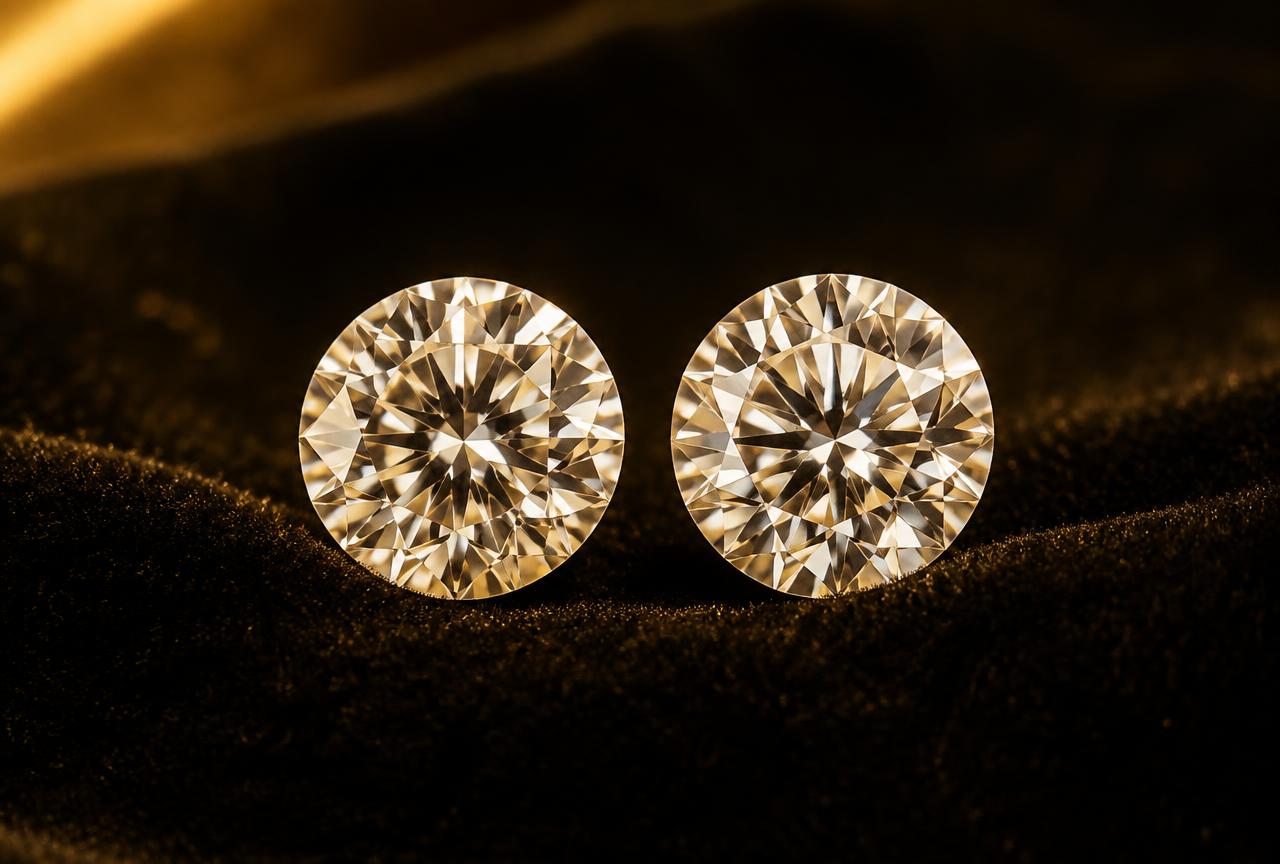
Yes. A lab grown diamond is chemically, optically, and physically identical to a natural one. Both are pure carbon arranged in the same crystal lattice. The only difference is origin: natural diamonds form underground over billions of years, while lab grown diamonds are created in a controlled environment over weeks. Both score a perfect 10 on the Mohs hardness scale, so either can handle daily wear.
Table 1: Lab Grown vs. Natural Diamond Properties
| Property | Natural Diamond | Lab Grown Diamond |
|---|---|---|
| Composition | Pure carbon | Pure carbon |
| Crystal structure | Cubic lattice | Cubic lattice |
| Hardness (Mohs) | 10 | 10 |
| Time to form | Billions of years | Weeks |
| Origin | Mined from the earth | Grown in a controlled environment |
| Visible to the eye | Identical | Identical |
Can a Jeweler Tell the Difference?
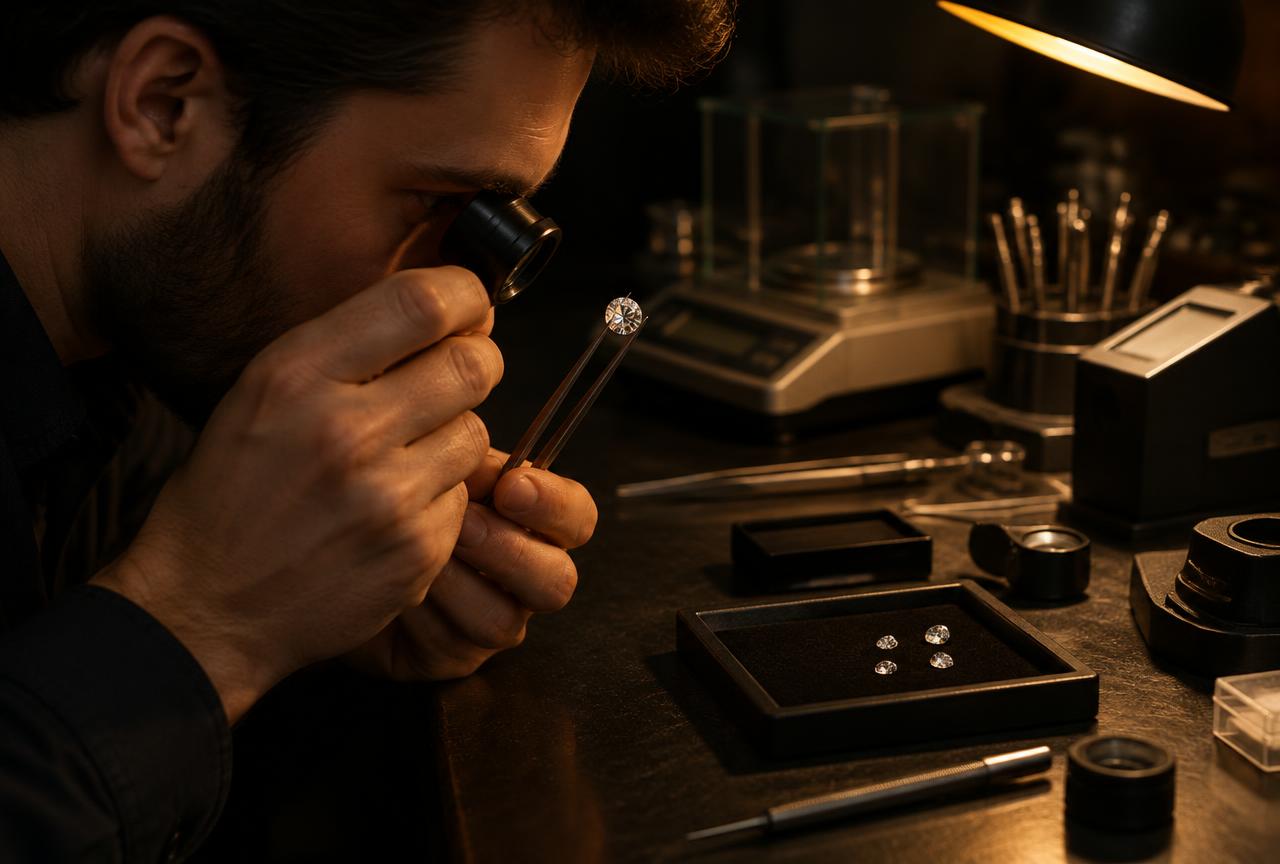
Not by eye, and not with a loupe or microscope. Identification requires specialized instruments that detect the growth patterns unique to lab grown stones. That is why certification matters. GIA laser-inscribes lab grown diamonds with the report number and the words “Laboratory-Grown,” and other respected labs such as IGI also grade both types and disclose origin. Buy a certified stone and you will always know exactly what you own.
The Price Gap: Same Specs, Very Different Math
This is where lab grown shines. For identical cut, color, clarity, and carat weight, lab grown diamonds run roughly 70-80% less than natural. In practice, your budget stretches four to five times further. Many couples use that room to choose a larger stone, a higher grade, or both, or to put the savings toward a custom setting.
Resale Value: Where Natural Still Wins
Natural diamonds have decades of secondary-market history and tend to hold a portion of their value. Lab grown diamonds can be manufactured on demand, so their resale value is minimal, and most jewelers will not buy them back. If you see a ring as a financial asset, natural has the edge. If you see it as a symbol you will wear for decades, lab grown gives you more diamond for the same money. Most couples fall in the second group.
Ethics and Environmental Impact
Both options have legitimate ethical stories, and neither is automatically “better.” Lab grown diamonds avoid concerns about conflict mining and can have a smaller footprint, particularly when made with renewable energy, though that footprint is not zero. Natural diamonds sourced through the Kimberley Process and reputable suppliers support entire communities in producing countries.
Table 2: Ethics and Sourcing at a Glance
| Consideration | Natural Diamond | Lab Grown Diamond |
|---|---|---|
| Mining involved | Yes | No |
| Conflict concerns | Addressed through Kimberley Process sourcing | Not applicable |
| Environmental footprint | Mining impact | Smaller, lower with renewable energy |
| Community impact | Supports producing communities | Supports manufacturing jobs |
| Traceability | Depends on supplier | Controlled production |
Which One Fits You?
Table 3: Quick Decision Guide
| If this matters most to you... | Consider |
|---|---|
| Maximum size and quality for your budget | Lab grown |
| Long-term resale value | Natural |
| Romance of a stone formed over billions of years | Natural |
| Avoiding mining altogether | Lab grown |
| Wearing a diamond every day with confidence | Either; both are a 10 on the Mohs scale |
If budget is your top priority, choose lab grown. If you want a piece with lasting value and love the story of something ancient, choose natural. Neither choice is wrong.
See Both Side by Side
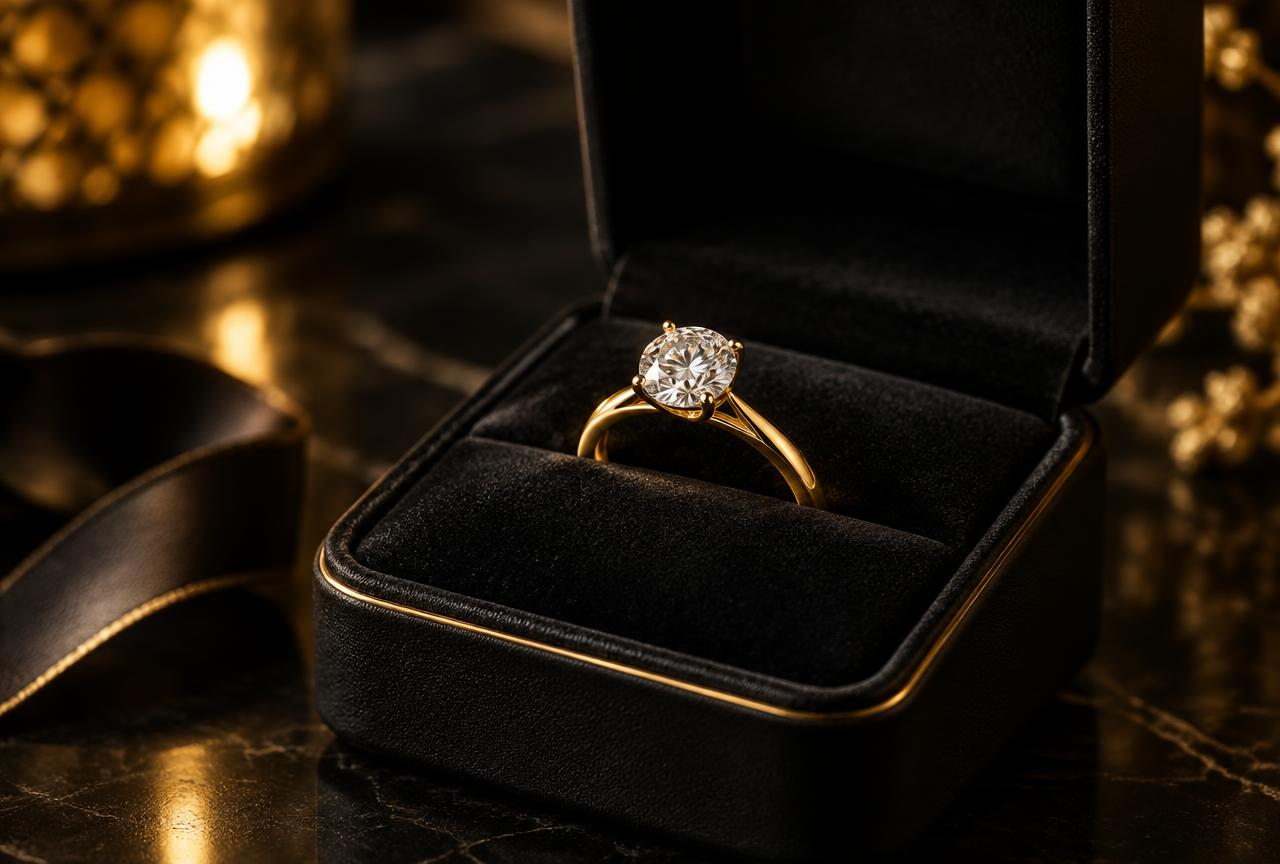
The best way to decide is to see them together. At Heavenly Gems & Designs, every piece in our collections, including rings, necklaces, bracelets, and earrings, is available in either lab grown or natural diamonds. Book a private appointment at our Fresno studio and compare the stones in person, with no pressure and no sales floor.
Book a Private Appointment